I am Vivek Thirunellai Radhakrishnan, a biomedical engineer committed to advancing the frontiers of regenerative medicine and translational research. Currently pursuing my MSE in Biomedical Engineering at Johns Hopkins University, I blend a strong foundation in biotechnology with hands-on experience in tissue engineering, biomaterials, and molecular diagnostics.
My fascination with the human body began in childhood and has grown into a mission to engineer solutions for complex clinical challenges. Personal encounters with chronic illnesses in my family have fueled my drive to bridge the gap between laboratory innovation and patient care. I have led and contributed to award-winning research projects, including the development of nanoscaffolds for diabetic wound healing and the creation of rapid diagnostic tools for pancreatitis. My work has been recognized with the prestigious IASc-INSA-NASI Summer Research Fellowship and accolades for scientific presentations.
I thrive at the intersection of research, technology, and clinical collaboration-whether growing intestinal stem cells on biomimetic scaffolds, screening plant metabolites for novel therapeutics, or designing smart biomaterials for wound healing and I strive to advance the frontiers of tissue engineering, biomaterials, and regenerative medicine. My technical toolkit spans advanced molecular biology, tissue engineering, and in-vivo animal testing, underpinned by a passion for scientific communication and leadership.
Looking ahead, I am driven to translate scientific discoveries into impactful healthcare solutions, foster multidisciplinary teamwork, and contribute as both a researcher and an entrepreneur in the evolving landscape of biomedical innovation.
🎓 Education
Johns Hopkins University
Cell and Tissue Engineering Lab, Microphysiological Systems, Cellular Engineering, Tissue Engineering, Molecular Immunoengineering and Immunomodulatory Biomaterial
2024-2026
Ramaiah Institue of Technology
Biochemistry, Cell and Molecular Biology, Immunology, Bioanalytical Techniques, Drug Design and Development, Bioreaction Engineering and Kinetics
2020-2024
🔬 Research Experience
Cultivating Human Intestinal Stem Cells on Biomimetic Scaffolds Hackam Lab,Johns Hopkins University
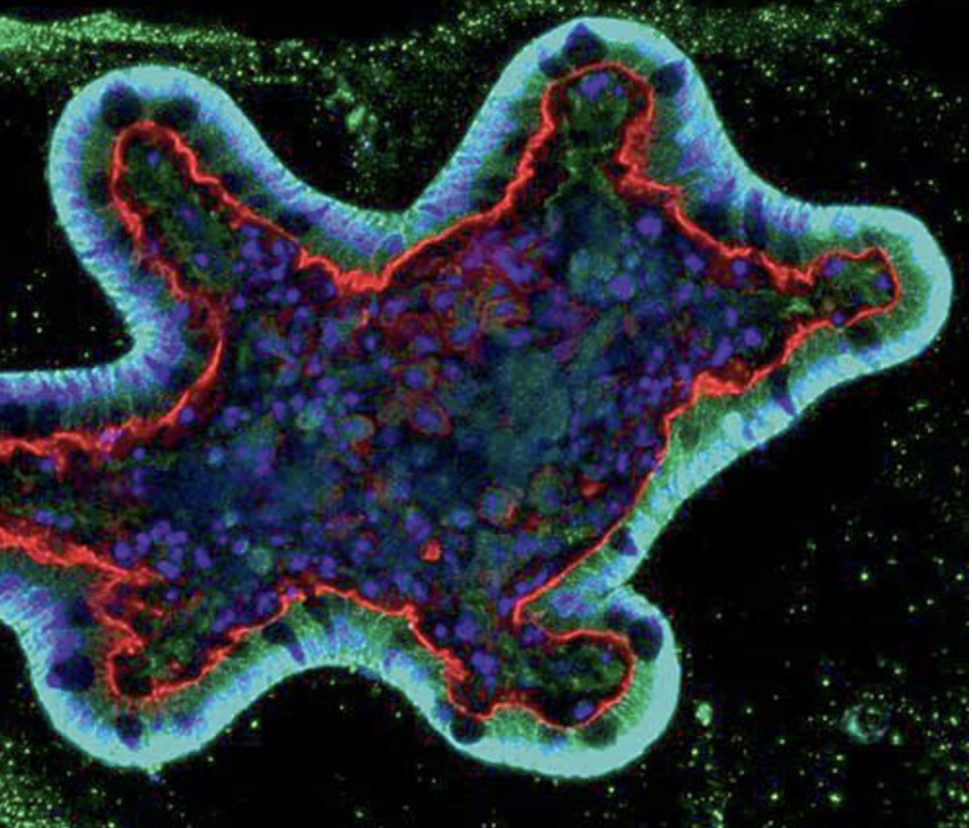
I am developing an advanced scaffolds composed of SIS imprinted with microvilli structures that replicate the environment of the human intestine. My work enables the long-term growth of intestinal stem cells, opening new possibilities for regenerative medicine and disease modeling in gastrointestinal research. Currently involved in fabrication and characterization followed by co-culture of intestinal organoids and fibroblasts to seed the scaffold and test it in-vivo.
Innovative Nanoscaffold for Diabetic Foot Ulcers M S Ramaiah University of Applied Sciences
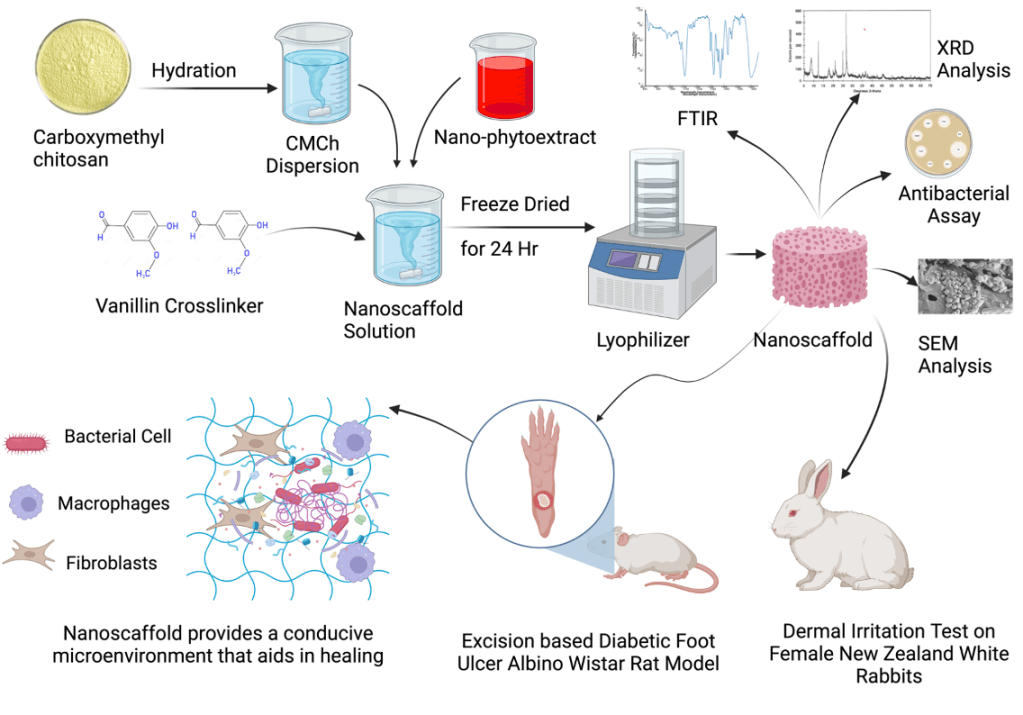
I led a multidisciplinary initiative to create a biodegradable nanoscaffold using carboxymethyl chitosan infused with green tea and Acacia catechu extracts, both known for their wound-healing and antibacterial properties, designed to accelerate healing in diabetic foot ulcers. By integrating laboratory and animal model studies, we demonstrated that our scaffold significantly improved skin regeneration and reduced healing time compared to standard treatments.This project highlights the potential of plant-based nanomaterials as an effective and safe solution for chronic wound care.
This was an intra-institutional project wherein researchers from the Department of Biotechnology, Department of Pharmaceutics and Department of Pharmacology were involved to facilitate the transition from the laboratory to the real world. This project was recognized as the best of the year by our university’s alumni association.
For those interested, the paper is available here:
Advancing Diagnostics for PancreatitisDepartment of Gastroenterology, AIIMS,New Delhi
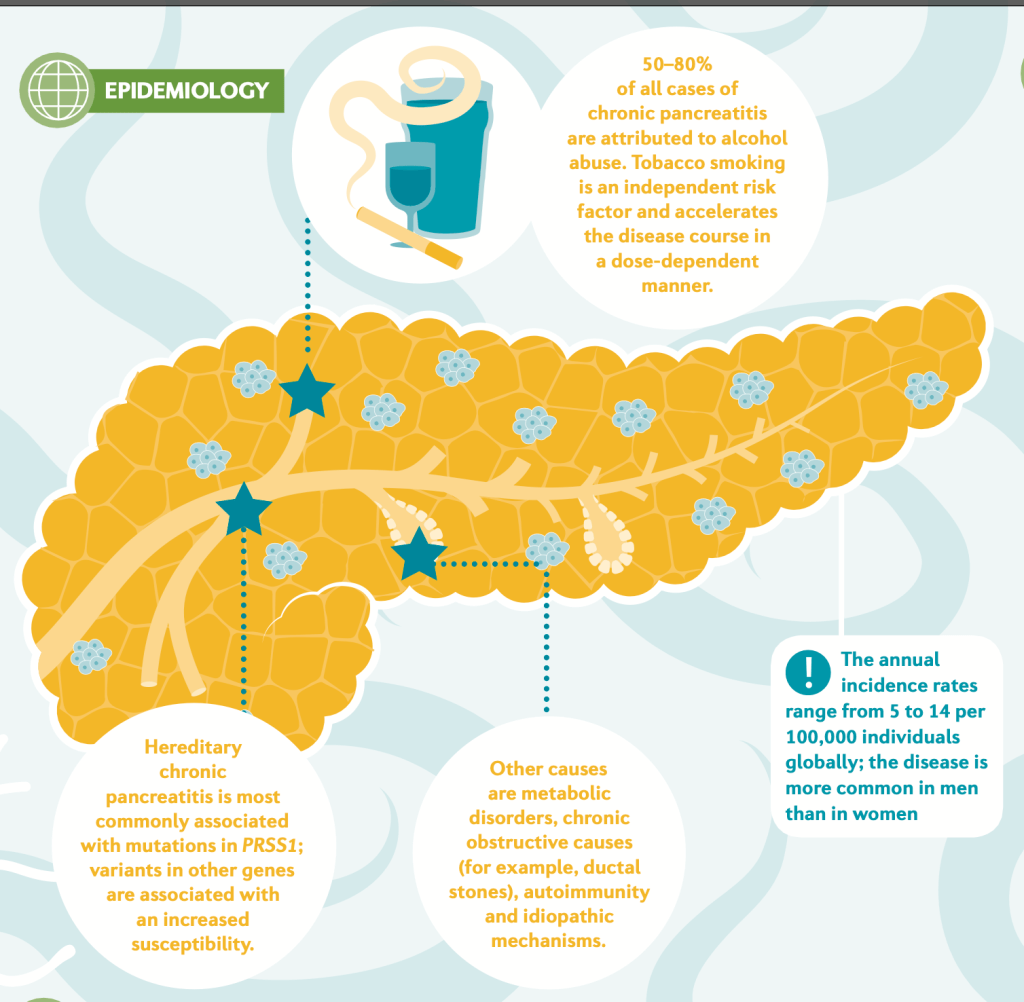
I was honored to receive the highly prestigious National IASc -INSA -NASI Summer Research Fellowship from a pool of over 25,000 applicants nationwide. I was fortunate to carry out this fellowship in the field of pancreatitis at the respected All India Institute of Medical Sciences, New Delhi. During this enriching fellowship, I worked across various labs for two months, gaining proficiency in various molecular biology techniques that enhanced my knowledge. Additionally, I had the privilege to contribute to standardizing an in-house developed kinetic test for quantitative estimation of bile acids from stool samples for the Indian population, a potential rapid and cost-effective diagnostic tool.
Screening Plant Secondary Metabolites for S. pneumoniae caused meningitis
Ramaiah Institute of Technology
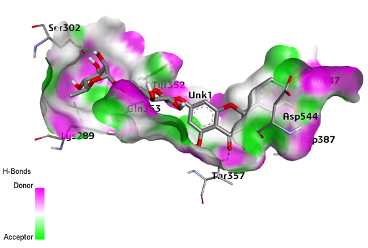
I spearheaded a computational drug discovery project to identify pharmacologically active plant secondary metabolites against Streptococcus-caused meningitis by employing bioinformatic tools such as molecular docking and dynamics. In this, we screened 125 flavonoids and terpenoids for the same. They were tested and validated by docking against four virulence factors of Streptococcuspneumoniae on various docking software, and PyRx virtual software was chosen for further studies
We established a structure-activity relationship that can serve as a template for future drug molecule synthesis against Streptococcal Meningitis. The research concluded by proposing 10 promising flavonoids that, if studied further for toxicity in cell line and delivery studies, could shape up to become probable drugs in the future. The impact of the study will be witnessed once these drugs replace the existing antibiotics and steroids in use against meningitis
🧠 Academic Projects
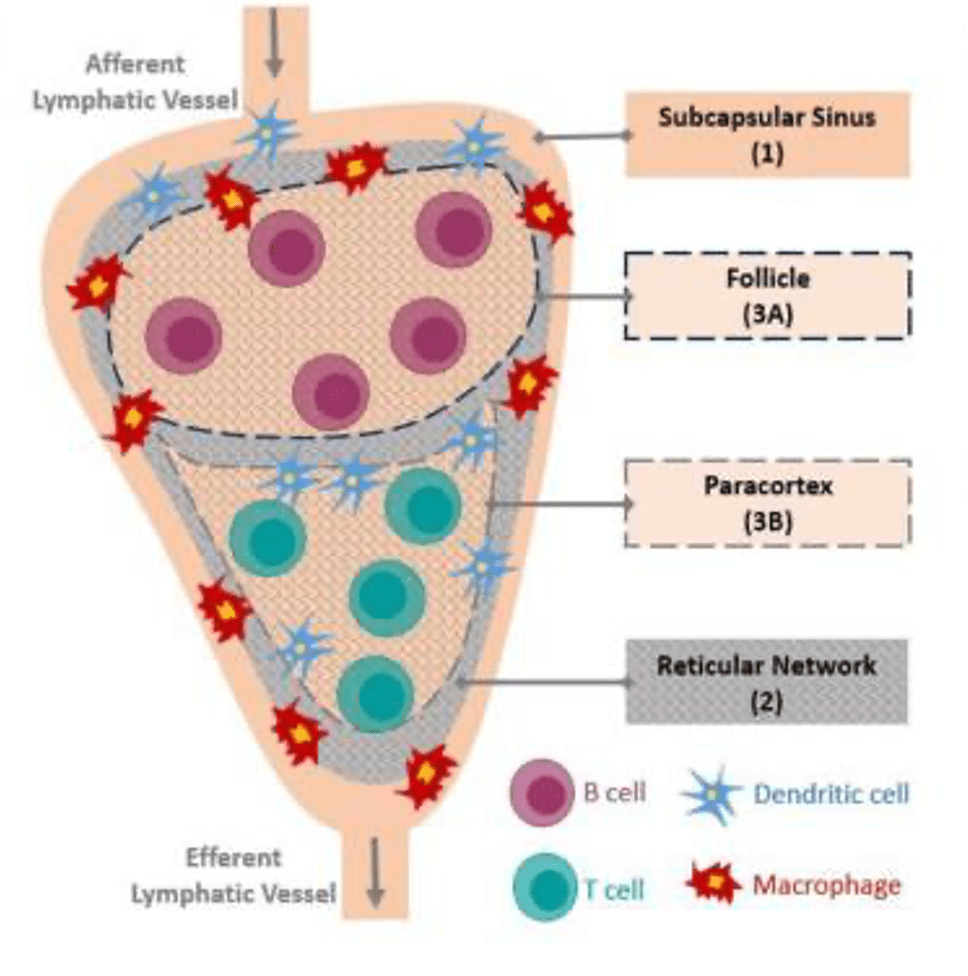
Engineering an Immune Lymph Node-on-Chip to Uncover Micro/Nano Plastics’ Role in Immune Dysregulation
Proposed a biomimetic lymph node-on-a-chip system designed to study the immunological effects of micro- and nano-plastics. The design included integration of primary immune cell populations — T cells, B cells, dendritic cells, and macrophages— within a collagen-fibronectin ECM to recapitulate stromal immune interactions in vitro. Proposed assessment of MNP induced alterations in immune cell migration, activation profiles, cytokine production, and ECM remodeling via flow cytometry, immunofluorescence, and live-cell imaging. Intended as a high content, human-relevant model to probe mechanisms of immune dysregulation in response to environmental toxicants. to model micro- and nano-plastic induced immune dysregulation.
Designed platform included primary immune cell types and a fibronectin-rich ECM within a microfluidic system. Intended to study immune cell migration, antigen presentation, and cytokine dynamics under MNP exposure.
Mimicking Red Blood Cell Antigens: A CAR-T Cell Strategy for Selective Depletion of Autoreactive B Cell in Autoimmune Hemolytic Anemia
Developed a comprehensive proposal for a novel chimeric antigen receptor T cell (CAR-T) therapy to treat Autoimmune Hemolytic Anemia (AIHA), a severe antibody-mediated disorder. The concept involved engineering CAR-T cells that display RhD and Glycophorin A epitopes—major red blood cell antigens—on a tandem CAR construct to mimic native RBC surfaces. This antigen-mimicking approach was designed to function as a decoy, selectively binding and eliminating autoreactive B cells responsible for pathogenic antibody production without affecting the broader immune system.
The proposal included detailed design of the CAR construct, lentiviral vector packaging, and in vitro assays to validate antigen specificity, cytotoxicity, and cytokine secretion. Future in vivo evaluation was suggested using a murine AIHA model to assess therapeutic efficacy and off-target effects. The project emphasized precise immune targeting, reduced relapse potential, and minimal systemic immunosuppression, representing a paradigm shift from current broadly immunosuppressive treatments like corticosteroids and rituximab.
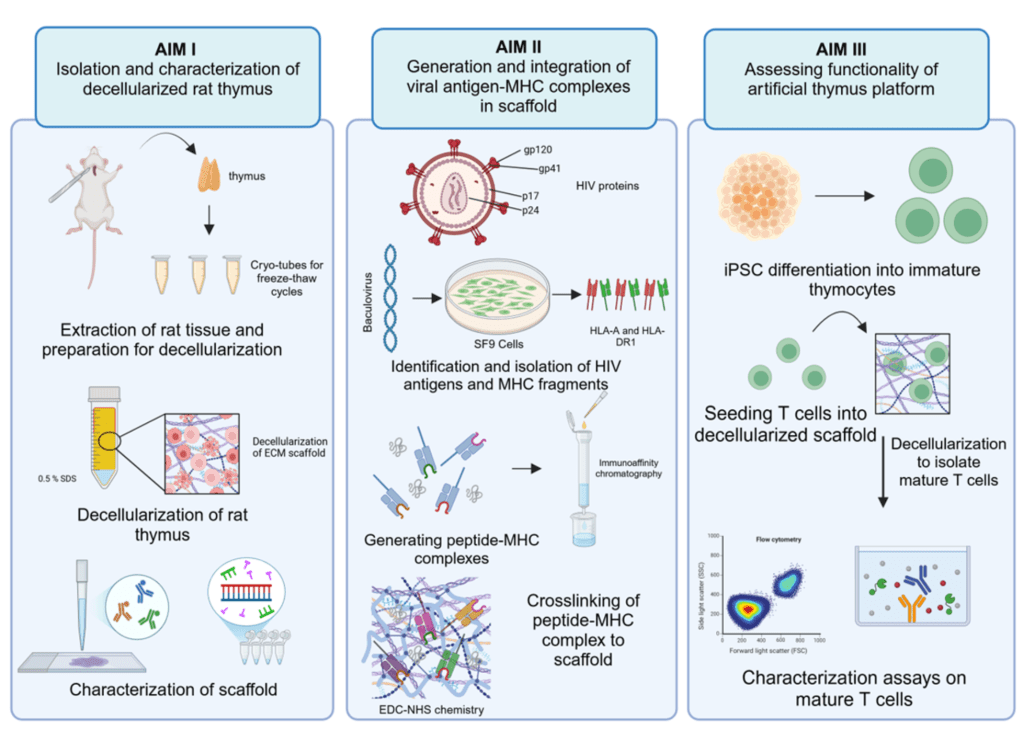
Development of a Decellularized Rat Thymus Scaffold for Generating HIV Specific T cells Through iPSC Derived Thymocyte Maturation and Selection
Proposed an innovative immunoengineering approach to generate HIV-specific T cells using a decellularized rat thymus scaffold. The scaffold was to be functionalized with stable HIV peptide–MHC complexes to simulate the natural thymic selection process. The project outlined protocols for thymus extraction, SDS-based decellularization, and ECM preservation verification via DAPI, H&E, and immunohistochemistry. Patient-derived iPSCs were planned to be differentiated into immature thymocytes and seeded onto the engineered scaffold within a perfusion bioreactor system.
Aimed to produce antigen-specific T cells with endogenous TCRs and improved persistence and homing —offering a novel platform for autologous T cell therapies in HIV. using decellularized rat thymus functionalized with HIV peptide–MHC complexes for selection of iPSC-derived HIV-specific T cells. Proposed perfusion culture and scaffold characterization techniques for immunotherapy application.
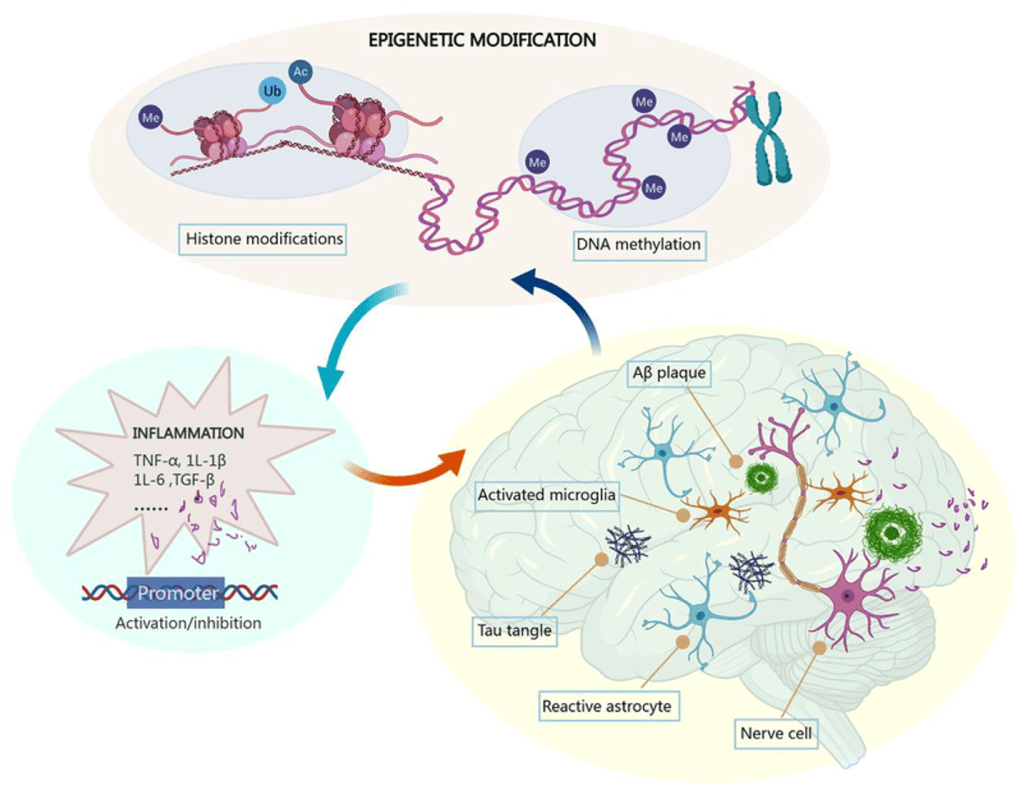
Assessing small molecule RG108 as a Therapeutic Candidate to Modulate Alzheimer’s Disease Neuroinflammation via DNA Methylation Regulation
Developed a translational research proposal investigating the epigenetic basis of neuroinflammation in Alzheimer’s disease using the DNMT inhibitor RG108. RG108 was chosen for drug repurposing due to its ability to non-toxically inhibit DNA methylation and modulate inflammatory gene expression. The proposed work included the development of in vitro blood-brain barrier models and in vivo rodent studies to evaluate RG108’s delivery, efficacy, and safety. In vivo validation in AD rodent models was included to assess therapeutic modulation of pro-inflammatory cytokines such as IL-6 and IL-15. A computational model was also suggested to estimate pharmacokinetics in humans.
The proposed study aimed to characterize DNA methylation as a modifiable driver of neuroinflammation and position RG108 as a candidate for disease-modifying therapy in AD.
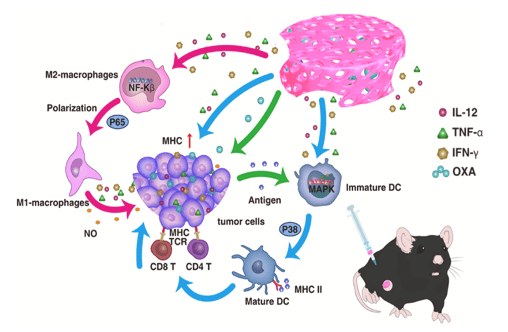
PLX3397-Loaded Chitosan Hydrogel for Localized Macrophage Repolarization Immunotherapy in Post-Surgical Melanoma
Proposed a localized immunotherapy strategy utilizing a chitosan-based hydrogel embedded with M2pep-functionalized nanoparticles loaded with the CSF-1R inhibitor PLX3397. The hydrogel was designed for post-surgical application at melanoma resection sites to selectively repolarize M2-like tumor-associated macrophages toward an M1 phenotype, thereby enhancing local anti-tumor immunity. The proposal included rheological and drug release profiling, macrophage polarization assays, and in vivo testing in a humanized mouse model of melanoma.
Emphasized integration of wound healing and immunomodulation in a single therapeutic platform to prevent recurrence and synergize with systemic checkpoint blockade therapies. therapy for melanoma using M2pep -functionalized nanoparticles delivering PLX3397. The system aimed to repolarize tumor-associated macrophages to M1 phenotype and prevent recurrence.
CRISPR Knockout of Cathepsin D in CHO Cells to Improve Biologics Purity and Stability
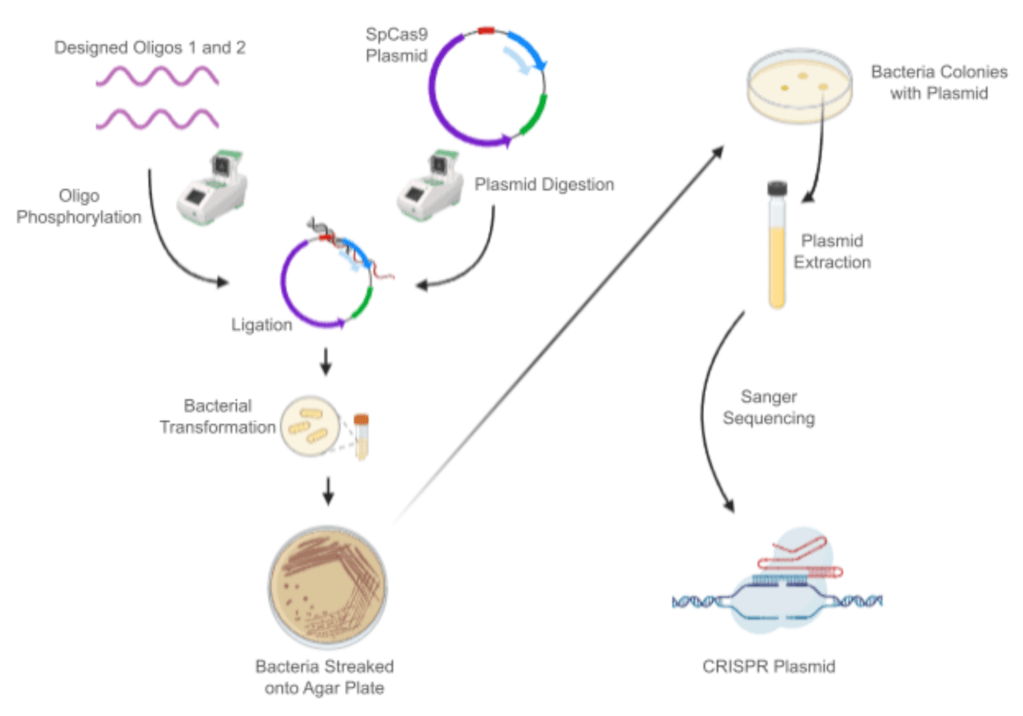
Executed a laboratory-based project using CRISPR-Cas9 gene editing to knock out Cathepsin D (CTSD), a lysosomal protease implicated in therapeutic protein degradation, in Chinese Hamster Ovary (CHO-K1) cells. Designed a high-efficiency guide RNA (gRNA), cloned it into a LentiCRISPRv2 plasmid, and carried out bacterial transformation and plasmid purification. Verified successful construct integration through Sanger sequencing. A structured six-step troubleshooting strategy was employed to resolve technical challenges in ligation and transformation.
The validated plasmid construct serves as a foundation for establishing a CTSD-knockout CHO cell line, offering potential improvements in biologic product stability, purification, and overall manufacturing efficiency.
📝 Publications
Therapeutic Potential of Silkworm Sericin in Wound Healing Applications
This peer-reviewed review paper explores the unique properties and biomedical applications of sericin, a natural protein derived from silkworm cocoons, with a focus on its role in chronic wound healing. The article discusses how sericin’s biocompatibility, biodegradability, antioxidant, and anti-inflammatory activities make it a promising candidate for advanced wound care. It highlights sericin’s mechanisms in promoting cell proliferation, collagen synthesis, and angiogenesis, as well as its integration into hydrogels, films, scaffolds, and nanotechnology-based dressings. The review also examines recent advances in sericin-based biomaterials and their effectiveness in accelerating tissue regeneration and managing chronic wounds, underscoring sericin’s potential for future clinical applications in regenerative medicine





 Engineering Life, One Cell at a Time